Removal With Pre-Check Before Every Transport
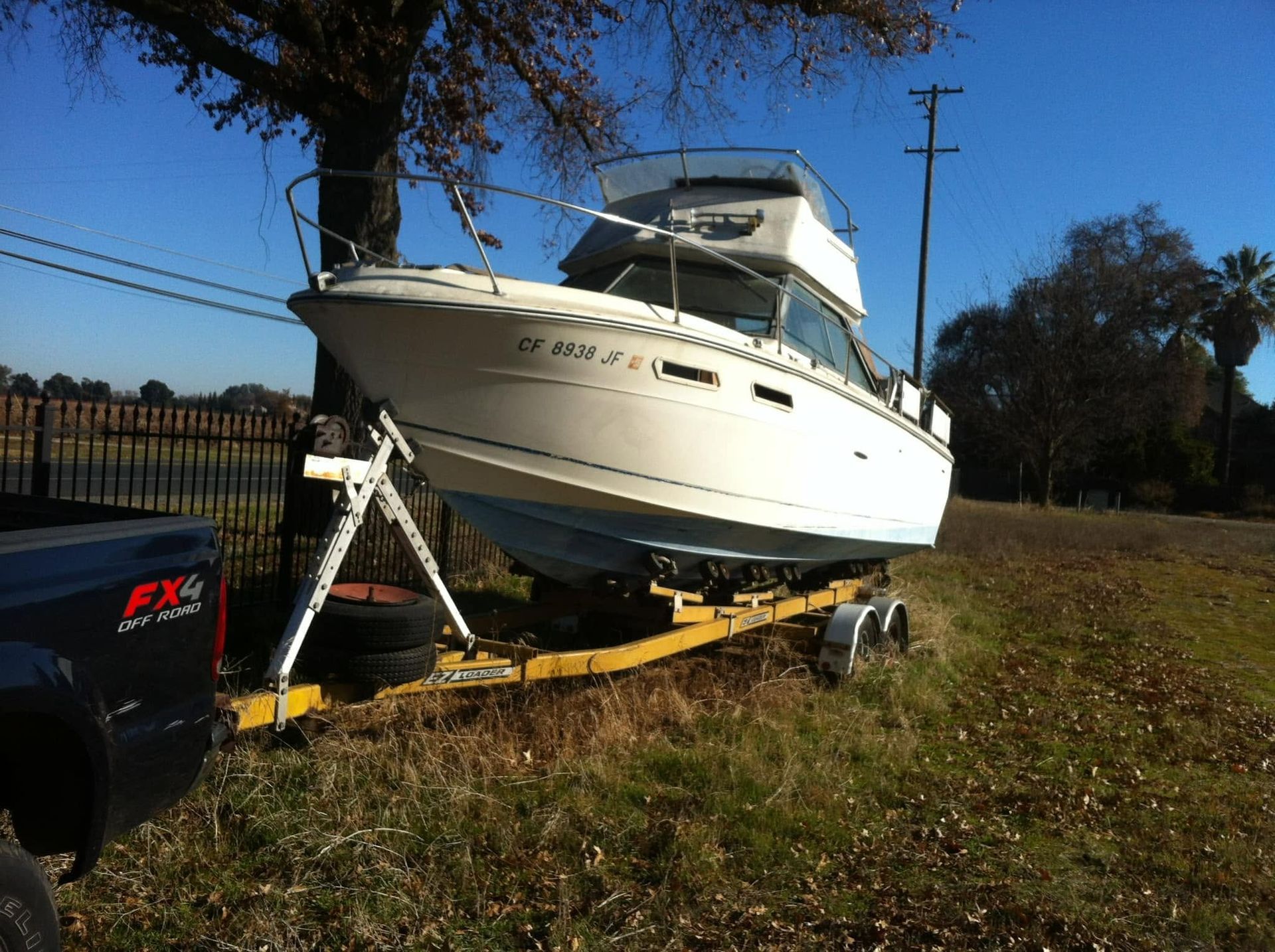
Boat & RV Removal in Elverta for non-operational units facing HOA violations and county nuisance citations
HOA violations and county nuisance citations escalate quickly when non-operational boats and RVs sit on Sacramento-area residential and rural properties beyond allowed timeframes, and fines increase with each inspection cycle that finds the unit still in place. Fast removal prevents those escalating penalties, but the removal itself carries spill liability if fluids or batteries aren't checked before transport. Peyton Land Management completes a pre-removal fluid and battery check on every unit before it leaves your property, which prevents leaks during loading and transport that create environmental liability and cleanup costs for property owners.
Boat and RV removal starts with inspecting the unit for residual fluids in fuel tanks, engine blocks, or holding tanks, plus checking battery condition to prevent acid spills during handling. Once the pre-check confirms the unit is safe to move, loading and transport proceed without the spill risk that haulers who skip this step routinely create when corroded tanks rupture under lifting pressure.
Call (916) 502-7534 to arrange removal and confirm transport licensing, service radius, and current pricing for your unit.
What the Pre-Removal Safety Process Involves
Every boat and RV gets inspected before loading to identify fluid leaks, battery corrosion, or structural weak points that could fail during transport. Non-operational units that have sat for years often have cracked fuel lines, corroded battery terminals, and holding tanks with residual waste, all of which pose spill risk when the unit gets lifted onto a trailer or flatbed. The pre-check identifies these hazards so they can be managed before transport begins rather than discovered halfway through loading when a tank ruptures and spills across your driveway.
After removal completes, you'll notice the unit is gone from your property, HOA or county violation notices stop arriving, and your driveway or yard space is cleared without the fluid stains or residue that careless removal leaves behind. Properties that were flagged for code violations or facing escalating fines now meet local storage regulations because the non-operational unit no longer occupies visible space on the parcel.
Transport licensing and service radius apply based on unit size and destination, and pricing varies with unit type, condition, and access difficulty. Some heavily deteriorated units require additional prep before transport, which gets identified during the pre-check and discussed before work proceeds.
What Property Owners Usually Ask
Residential and rural property owners dealing with non-op boats and RVs typically have similar concerns before scheduling removal.
What happens during the pre-removal fluid and battery check?
The check involves inspecting fuel tanks, engine compartments, holding tanks, and battery terminals for leaks, corrosion, or structural damage that could cause spills during loading, and any identified issues get addressed before the unit is moved to prevent environmental liability.
How long does boat and RV removal take once scheduled?
Most residential boat and RV removals in Elverta and surrounding areas complete in a few hours once the crew arrives, assuming the unit is accessible and the pre-check doesn't reveal complications that require additional prep before safe transport.
Why do HOA and county violations escalate so quickly?
Non-operational vehicles visible from streets or neighboring properties trigger initial warnings that escalate to fines within 30 to 90 days depending on local ordinances, and fines increase with each re-inspection cycle that finds the unit still in violation.
When should I schedule removal to avoid escalating penalties?
Removal should happen as soon as you receive the first violation notice, because waiting for subsequent notices only increases the total fine amount and doesn't change the fact that the unit must be removed to achieve compliance.
Can a regular junk hauler remove a boat or RV safely?
Standard junk haulers often lack the equipment to handle large units safely and typically skip the fluid and battery pre-check that prevents spill liability, which leaves property owners exposed to cleanup costs and environmental violations if leaks occur during transport.
Peyton Land Management operates with transport licensing and liability-conscious removal processes across the Greater Sacramento area. Contact us to confirm service radius coverage, current availability, and removal options for your non-operational boat or RV.