Clearing Sequenced to Deliver Grade-Ready Ground
Lot Clearing in Elverta for vacant Sacramento-area lots before sale, development, or construction permitting
Vacant Sacramento-area lots accumulate years of overgrowth, downed limbs, and debris that must be removed before any build permit gets issued or listing photos get taken. Full clearing is the mandatory first step, but the sequence matters—large trees and debris come off first, then mowing handles the remaining vegetation, then a final grade-ready drag smooths the surface so equipment can move across the lot without getting caught in layered material. Peyton Land Management follows this sequenced clearing process to protect equipment and deliver a truly grade-ready result, while crews that skip the final drag step leave clients with a half-finished lot that still can't support construction traffic.
Lot clearing starts with removing large obstructions that would damage mowing equipment—fallen trees, old fence posts, buried debris—then mowing the vegetation down to ground level, then dragging the surface to break up remaining root masses and level out minor undulations that interfere with grading equipment. Each step prepares the ground for the next rather than treating clearing as a single-pass operation.
Schedule a property walkthrough to assess the current condition and confirm the clearing sequence your lot requires.
Why Clearing Sequence Prevents Equipment Failures
Mowing equipment that hits buried debris or large root systems suffers blade damage and deck failures that halt the job midway, and dragging before large material gets removed just buries obstacles deeper into the soil rather than exposing them for extraction. Proper sequencing removes the obstacles first, mows the vegetation second, and drags last so each piece of equipment operates in conditions it was designed for without encountering hazards left by skipped steps.
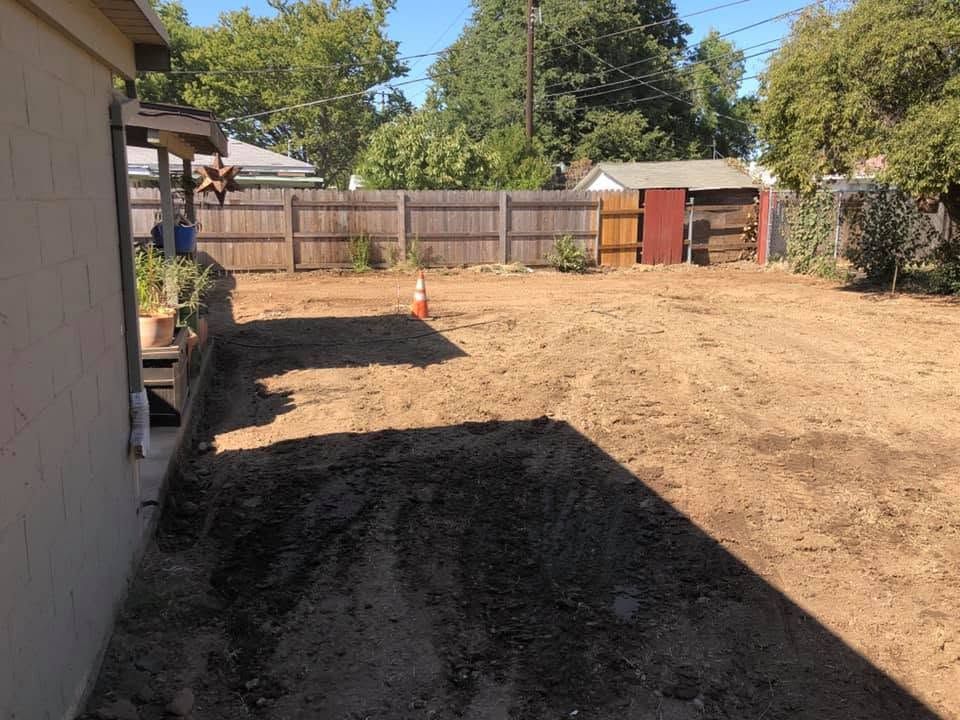
Once clearing completes, you'll notice the lot is accessible to grading equipment and construction vehicles without high-centering or tire damage, vegetation no longer blocks sightlines or hides property boundaries, and the surface is smooth enough for accurate surveying and foundation layout. Builders and developers can begin permit-required site work immediately rather than dealing with half-cleared ground that still needs finishing before construction prep starts.
The service includes the
full clearing sequence but does not include grading itself, which requires different equipment and typically follows as a separate contracted phase. Job size range and crew capacity vary by season, and lots with steep slopes or limited access may require additional equipment coordination confirmed during the initial site visit.
Questions Before Starting Your Project
Builders, developers, and private landowners in the Greater Sacramento area often need clarity on what full lot clearing involves before the project begins.
What does grade-ready actually mean after lot clearing?
Grade-ready means the lot surface is cleared of vegetation and large debris, dragged smooth enough for grading equipment to operate without obstruction, and accessible to construction vehicles without risk of getting stuck in soft spots or hitting buried obstacles.
How does lot clearing differ from brush mowing?
Brush mowing handles vegetation height reduction on parcels where structures and access already exist, while lot clearing removes everything—trees, debris, overgrowth—from vacant ground that hasn't been maintained and needs full preparation before any other work can start.
Why do some clearing crews skip the final drag step?
The drag step requires an additional equipment pass after mowing finishes, and crews working on tight schedules or fixed bids often skip it to save time, which leaves the client with a mowed lot that still has uneven ground and exposed root masses that interfere with grading.
When should I clear a lot before listing or development?
Clearing should happen before listing photos, appraisals, or permit applications begin, because overgrown vacant lots photograph poorly and raise questions about site readiness that delay buyer decisions and permit reviews across Sacramento County.
Can a landscaping company handle lot clearing or do I need a land management specialist?
Standard landscaping companies typically lack the heavy mowing equipment, debris removal capacity, and sequencing knowledge required to clear neglected vacant lots that haven't been maintained in years, which are common across rural and semi-rural areas near Elverta and Roseville.
Peyton Land Management serves builders, developers, and private landowners across the Greater Sacramento area with crew capacity and licensing appropriate for commercial and residential lot clearing projects. Reach out at (916) 502-7534 to confirm current job size availability and discuss your lot's clearing requirements.