Removing Detached Structures Without Creating Drainage Problems
Garage Demolition in Elverta for older Sacramento-area lots with cracked slabs and aging accessory structures
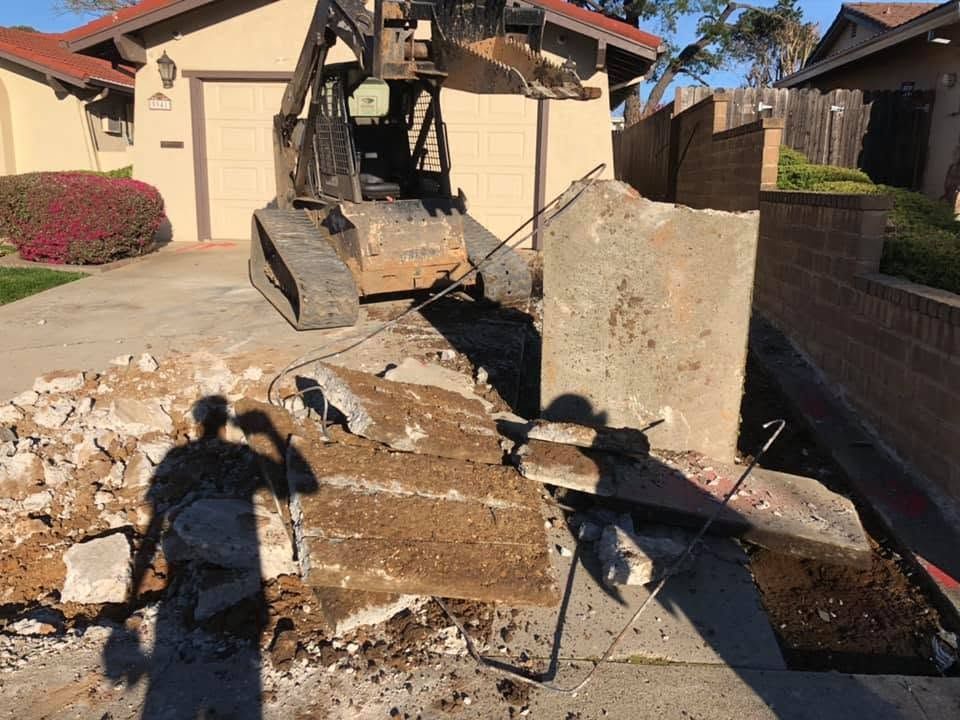
Detached garages on older Sacramento-area lots frequently sit on cracked concrete slabs or contain asbestos-era materials that require careful handling during removal. The structure comes down, but the slab underneath presents a decision point that affects site drainage and future use—some slabs need complete removal while others can be ground down and left in place depending on condition and what you plan to do with the lot afterward. Peyton Land Management performs a thorough slab assessment before any demolition work begins, identifying whether the existing foundation will cause drainage problems or can remain without creating issues down the line.
The assessment looks at slab thickness, cracking patterns, and how the existing grade directs water across the lot. A garage slab that slopes toward the house or traps water in low spots needs removal to prevent drainage problems after the structure is gone. Slabs in good condition that sit level or slope away from other structures can often be ground down flush with surrounding soil, saving removal and haul costs while leaving a stable base for future use.
Request a pre-demolition slab evaluation to determine the most cost-effective approach for your specific lot conditions.
How Garage Removal Addresses Long-Term Site Issues
Garage demolition starts with disconnecting any electrical service running to the structure, then proceeds to a methodical teardown that separates salvageable materials from waste. Older garages in Citrus Heights and Rancho Cordova often contain roofing or siding materials from the 1970s and 1980s that require testing before removal—skipping this step creates liability if asbestos-containing materials are present and handled improperly. Once materials are cleared and sorted, the slab assessment determines whether the foundation stays or goes based on grade, drainage patterns, and your plans for the cleared space.
After the structure and any problematic slab sections are removed, the lot drains properly without water pooling where the garage once stood. You'll notice rainfall moves across the cleared area without creating standing water or redirecting flow toward your house, and the site is graded smooth so it blends with surrounding yard areas. Any utility stubs are capped below grade so they don't interfere with mowing or future landscaping.
The work includes hauling all debris to appropriate disposal facilities and providing documentation for any materials requiring special handling. Garage demolition that skips the slab evaluation step often leaves property owners with drainage problems that cost more to fix later than proper removal would have cost upfront.
Common Questions About Detached Garage Removal
Homeowners preparing Sacramento-area lots for remodeling or resale often ask about the slab decision and what affects the overall project cost.
What determines whether a garage slab should be removed or ground down?
The decision depends on slab condition, drainage grade, and your future plans for the space. Cracked slabs that trap water or slope toward the house need removal to prevent ongoing drainage issues, while intact slabs that sit level or slope away from structures can often be ground flush and left in place as a stable base.
How does asbestos testing affect garage demolition timelines in older Sacramento neighborhoods?
Garages built before the mid-1980s in areas like Citrus Heights often contain asbestos in roofing or siding materials. Testing adds a few days to the project timeline but prevents legal and health issues that arise from improper handling—Sacramento County requires documentation of proper asbestos abatement if testing comes back positive.
What happens to the electrical service running to a detached garage?
The electrical line is disconnected at the main panel and either capped at the house or pulled entirely depending on whether you plan to run power back to that area later. Any conduit remaining underground is capped below grade so it doesn't create tripping hazards or interfere with future landscaping.
How much does slab removal add to the overall garage demolition cost?
Slab removal typically adds expense based on thickness and square footage, but it eliminates future drainage repairs that cost significantly more once water damage to surrounding structures occurs. The pre-demo assessment provides a clear cost comparison so you can make an informed decision before work starts.
Can I keep any materials from the garage before demolition begins?
If you want to salvage doors, windows, hardware, or lumber, that needs to happen before the demolition crew arrives. Once work begins, materials are processed quickly and separated for disposal or recycling—stopping mid-project to pull items out disrupts the workflow and creates safety issues.
Peyton Land Management brings methodical
pre-demolition assessment to every garage removal project across the Greater Sacramento area. Call (916) 502-7534 to arrange a slab evaluation and discuss your lot's specific drainage conditions before demolition starts.