Agricultural Outbuilding Removal Before Structural Failure
Structural Demolition in Elverta for deteriorating barns, equipment sheds, and agricultural outbuildings across Sacramento Valley parcels
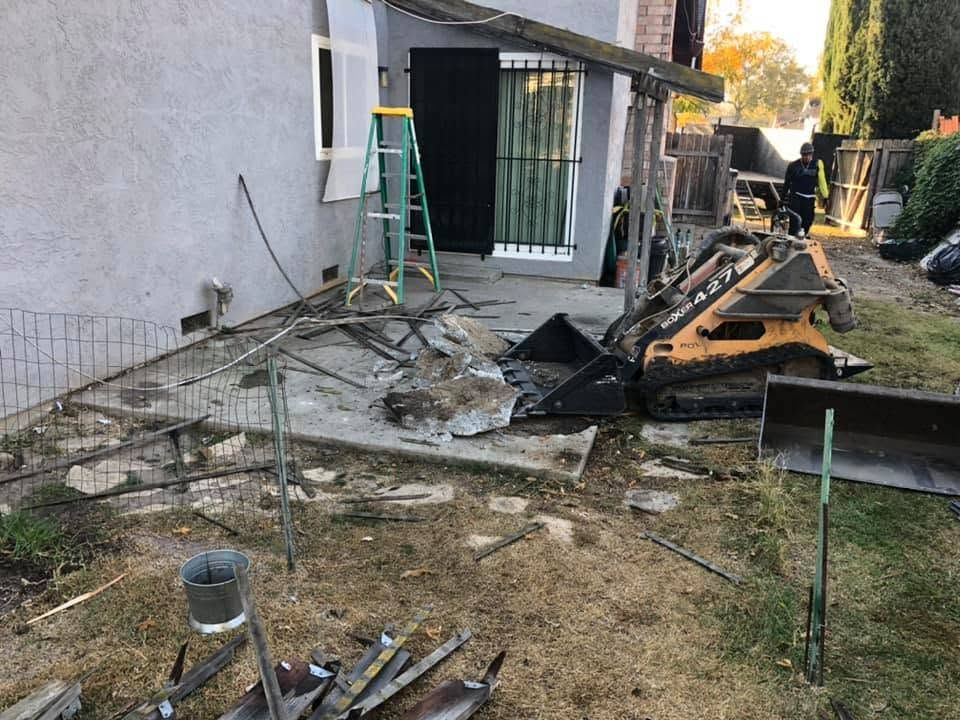
Agricultural outbuildings, feed barns, and equipment sheds across Sacramento Valley parcels deteriorate rapidly in the dry heat, and structural failure risk increases each season as roof trusses sag and load-bearing walls shift out of plumb. Peyton Land Management performs safe teardown of multi-section agricultural structures using a safety-first structural assessment process built into every job—not added as an afterthought when problems appear mid-demo. Rural property owners in Elverta, Lincoln, and Yuba City typically schedule removal when barns become too dangerous to enter or when fire clearance inspections flag deteriorating outbuildings as hazards that need immediate attention.
The assessment identifies load-bearing walls before any mechanical demolition begins, preventing uncontrolled collapse on multi-section structures where one wall supports roof loads across adjacent bays. Older barns often have concealed structural connections where vertical posts tie into horizontal beams in ways that aren't obvious from ground level, and removing the wrong section first can bring down the entire structure unpredictably. The demolition sequence is planned around these load paths so each section comes down in a controlled manner without endangering the crew or damaging equipment.
Schedule a structural assessment to identify load-bearing elements and review the
planned demolition sequence for your specific outbuilding before work begins.
Why Load-Bearing Identification Prevents Mid-Demo Collapse
Structural demolition on agricultural outbuildings starts with evaluating how the building is framed and where loads transfer from roof to foundation. Pole barns, timber-frame sheds, and older agricultural structures use different framing systems, and each requires a different takedown approach to prevent uncontrolled collapse. Load-bearing walls are marked and braced if necessary, then the demolition proceeds from the top down with roofing and non-structural sections removed first before touching any walls or posts that carry weight.
After the structure is safely dismantled, the parcel is cleared of all debris including foundation piers, scattered roofing materials, and any remnant fencing or equipment that was attached to or stored inside the building. You'll notice the fire fuel load on your property is eliminated, which reduces wildfire risk and satisfies county fire clearance inspections that often flag deteriorating outbuildings during compliance reviews. The cleared area is graded to blend with surrounding land contours unless you specify otherwise for future construction or equipment storage.
All materials are hauled off-site to approved disposal facilities, and documentation is provided showing where waste was delivered. Sacramento Valley counties increasingly require proof of proper disposal for agricultural demolition projects, particularly when structures may contain treated lumber or roofing materials from earlier decades that need special handling.
What Property Owners Usually Ask
Rural landowners preparing Sacramento Valley parcels for fire season compliance or property sales often ask about the assessment process and what happens to foundation elements after the structure is removed.
Why does load-bearing wall identification matter before demolishing an old barn?
Removing a load-bearing wall before the roof load is relieved can cause the entire structure to collapse suddenly instead of coming down in sections. Multi-bay barns and equipment sheds often have one or two walls supporting roof trusses that span across multiple sections, and pulling those walls first sends the roof down unpredictably, creating serious safety hazards for the crew and anyone nearby.
What happens to concrete piers and foundation posts after the barn is demolished?
Foundation elements are typically removed down to grade level unless you want them left in place for future building reuse. Concrete piers are broken up and hauled off-site, and timber posts are pulled or cut flush depending on depth and how they're anchored. Leaving foundation remnants in place can interfere with grading or future construction, so complete removal is usually recommended.
How long does it take to demolish a typical agricultural outbuilding in Elverta?
Single-bay equipment sheds are usually down and cleared within one day, while larger multi-section barns with complex framing may require two to three days depending on structure size and site access for hauling equipment. The structural assessment is completed before work begins, so the actual demolition timeline is predictable once the sequence is planned.
Do deteriorating agricultural structures require special handling during demolition in Sacramento County?
Older barns and sheds may contain treated lumber, lead-based paint, or asbestos roofing materials that require testing and documentation before disposal. Sacramento County regulations require proper handling of these materials, and disposal facilities will reject loads that contain prohibited substances without the appropriate paperwork.
When is the best time of year to schedule outbuilding demolition on a rural Sacramento Valley parcel?
Scheduling during dry months—typically late spring through early fall—ensures ground conditions support heavy equipment access without rutting or getting stuck in soft soil. Completing removal before fire season also satisfies county compliance timelines and eliminates the risk of penalties for structures flagged as fire hazards during inspections.
Peyton Land Management serves rural Sacramento Valley property owners with safety-focused structural demolition across Elverta, Yuba City, Lincoln, and surrounding areas. Call (916) 502-7534 to arrange a
load-bearing assessment and discuss your outbuilding's specific demolition requirements.