Full Structure Teardown for Infill Redevelopment
Home Demolition in Elverta for Sacramento County infill projects and fire-damaged property turnover
Sacramento County's infill redevelopment and fire-damaged property turnover drive residential demolition demand year-round, with consistent activity in Citrus Heights and Rancho Cordova where older homes are cleared to make room for new construction. A systematic demo process that reduces waste and keeps projects on schedule starts with staged interior strip-out before the full structural takedown begins—this maximizes material salvage and reduces landfill costs for builders and developers who track project budgets closely. Peyton Land Management performs complete residential structure teardown with a process-driven approach that separates salvageable materials, manages waste efficiently, and keeps timelines predictable for clients coordinating construction schedules.
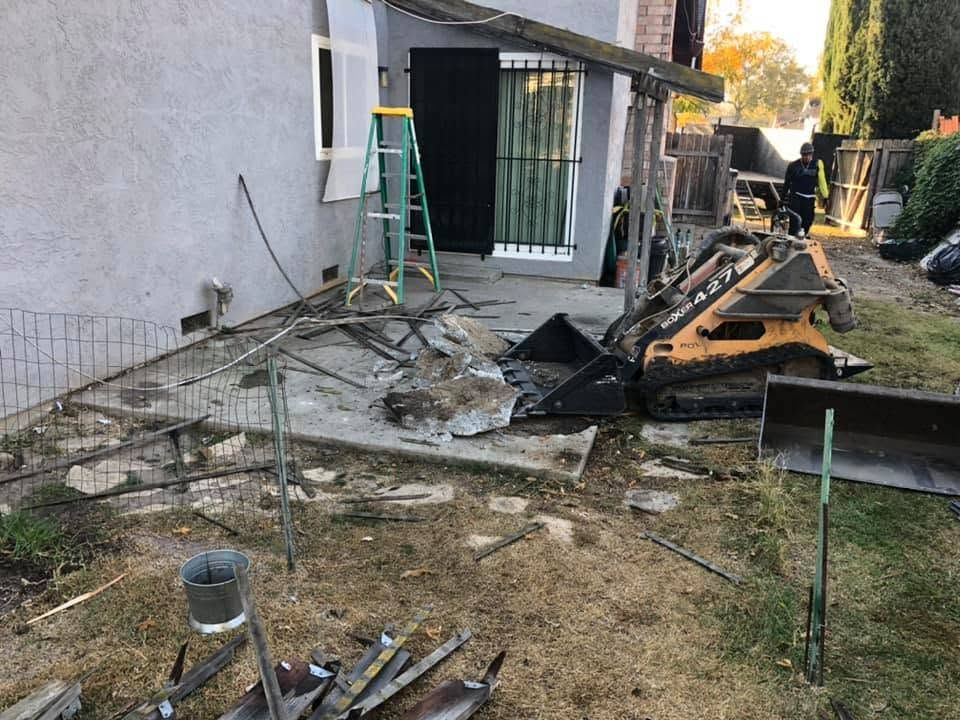
The staged approach begins inside the structure, where fixtures, wiring, plumbing, and any reusable materials are removed before heavy equipment touches the framing. Copper piping, electrical panels, and intact lumber are separated for recycling or resale, reducing the total volume of material heading to landfills and lowering disposal costs. Once the interior is stripped, the structural takedown proceeds in sections, with framing and roofing materials sorted as they come down to maintain separation between recyclable metal, clean wood, and mixed waste.
Arrange an on-site consultation to review your property's demolition sequence and discuss material salvage opportunities before scheduling the teardown.
What Changes After Full Residential Teardown
Home demolition involves coordinating utility disconnections with municipal providers, obtaining required permits from Sacramento County, and executing a controlled takedown that prevents damage to adjacent structures or underground utilities. The interior strip-out phase typically takes one to three days depending on home size and the amount of salvageable material present, then the structural demolition follows once all hazardous materials are removed and utilities are properly disconnected. Foundations are broken up and removed or left in place depending on the new construction plans and site grading requirements.
Once the home is removed, the lot is cleared to bare ground or prepared to new construction specifications with grading completed and utility stubs capped at the property line. Builders and developers notice that sorted material handling during demolition results in lower disposal costs and cleaner site conditions, eliminating the need for additional cleanup before new construction begins. The systematic process also reduces the chance of surprises like unmarked underground tanks or utilities that cause project delays when discovered mid-demo.
Documentation provided at project completion includes utility disconnection confirmations, disposal facility receipts showing where materials were hauled, and permit closure paperwork required by Sacramento County. This record-keeping satisfies lender requirements for construction financing and provides a clear chain of custody for waste disposal, which matters increasingly as California waste diversion regulations tighten.
Answers to Frequent Residential Demolition Questions
Builders and property owners preparing Sacramento County lots for new construction often ask about permit requirements and how the staged process affects overall timelines.
What permits does Sacramento County require for residential home demolition?
A demolition permit is required for any residential structure, and the application process includes submitting site plans, proof of utility disconnection arrangements, and asbestos survey results if the home was built before 1980. Permit review typically takes one to two weeks, and work cannot begin until the permit is issued and posted on-site.
How does staged interior strip-out reduce overall project costs?
Separating copper, brass, electrical panels, and clean lumber before the structural takedown reduces landfill tonnage and generates salvage value that offsets disposal costs. Mixed demolition waste costs significantly more per ton to dispose of than separated materials, and the time spent sorting during strip-out is recovered through lower haul fees and faster site cleanup.
What happens to the foundation after the home is demolished?
Foundations are either broken up and removed entirely or left in place and backfilled depending on new construction plans and site grading requirements. If the new home will sit on the same footprint, the existing foundation may be removed to allow proper compaction of new foundation soils, but offset construction plans sometimes allow the old foundation to remain buried without interfering with new work.
How long does a complete residential demolition take from permit to final grading in Citrus Heights?
Most single-family homes are fully demolished and graded within one to two weeks after permits are issued, assuming no delays in utility disconnections or unexpected hazardous material discoveries. Larger homes or properties with extensive landscaping, pools, or accessory structures may require additional time depending on site complexity.
Can demolition work proceed if neighbors are close to the property line?
Demolition can proceed on infill lots with close setbacks, but additional precautions like protective fencing, dust suppression, and controlled equipment operation are required to prevent damage to adjacent structures. Sacramento County may require notification of neighboring property owners before work begins, and that notification period can add a few days to the project schedule.
Peyton Land Management specializes in
residential demolition for Sacramento County infill projects and fire-damaged property redevelopment. Call (916) 502-7534 to discuss your property's demolition requirements and review the staged process before your construction schedule begins.