Mowing That Meets CAL FIRE Code
Brush Mowing in Elverta for rural parcels facing annual defensible space deadlines
Rural parcels across Northern California face hard annual deadlines for brush mowing under CAL FIRE defensible space mandates, and non-compliance brings fines plus increased fire liability during the dry months. Peyton Land Management handles brush mowing on Sacramento-area foothill and rural properties where mow height calibration to CAL FIRE's 30-foot and 100-foot zone specifications separates compliant work from surface-level cutting that fails inspection. The service addresses the fire clearance requirements that general lawn care companies without fire code knowledge routinely misinterpret.
CAL FIRE's defensible space zones require specific vegetation height limits at 30 feet and 100 feet from structures, not indiscriminate ground-level mowing across the entire parcel. Mow height gets calibrated to the zone your property sits in, and the equipment settings change based on whether you're clearing the immediate structure perimeter or the extended fuel reduction area where some native vegetation remains permitted under state guidelines.
Schedule a property evaluation to confirm your parcel's defensible space requirements and seasonal mowing availability.
What CAL FIRE-Compliant Mowing Actually Requires
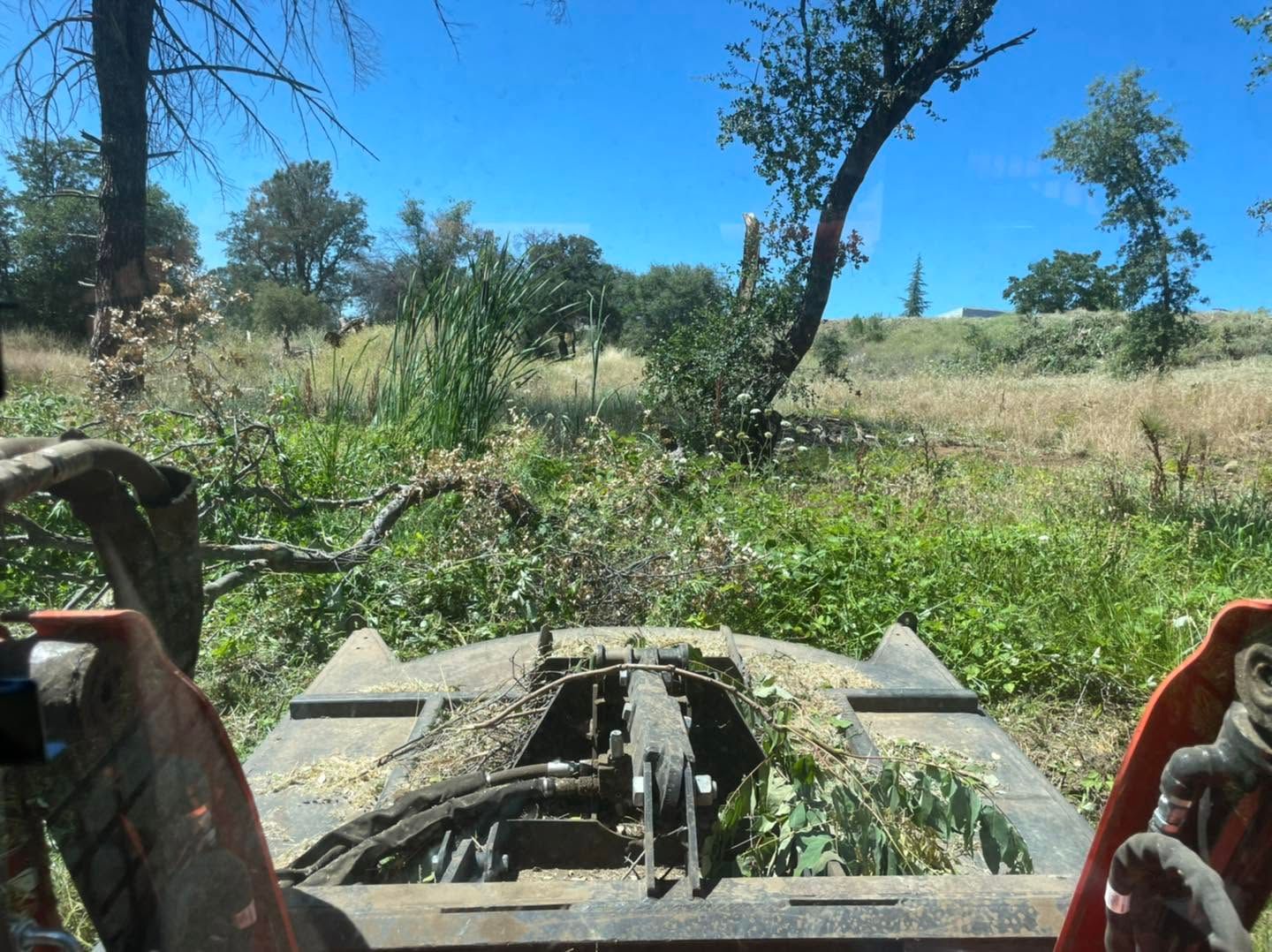
Compliance-focused mowing starts with identifying which CAL FIRE zone applies to each section of your parcel, then calibrating mow deck height to meet the vegetation limits for that zone. The 30-foot zone around structures requires the lowest vegetation, while the 100-foot zone allows slightly taller native grasses and ground cover as long as horizontal continuity gets broken to prevent fire from racing uphill toward buildings.
After the mowing pass finishes, you'll notice clear sightlines from your structure to the property perimeter, reduced fuel load across the zones CAL FIRE inspects, and elimination of the tall dry grasses that carry embers during wildfire season. Properties that were previously cited for overgrowth or non-compliance now pass visual inspection, and the annual deadline pressure lifts once the work meets state standards.
The service covers the mowing itself but does not include removal of large downed trees, which requires separate equipment, or grading work to address drainage issues that contribute to uneven vegetation growth. Seasonal availability runs heaviest in spring before fire season peaks, and minimum parcel size requirements apply based on access and equipment deployment logistics.
What Parcel Owners Usually Ask
Rural property owners in the Greater Sacramento area often have similar concerns before starting their fire clearance work.
What happens if I miss the CAL FIRE mowing deadline?
Non-compliance with defensible space mandates results in county or state fines that escalate with repeated violations, and your property's fire liability classification can worsen if overgrowth is documented during an inspection or after a nearby fire event.
How does mow height get calibrated for CAL FIRE's two-zone system?
The mow deck adjusts based on whether the section falls within the 30-foot immediate zone, which requires vegetation cut to four inches or less, or the 100-foot extended zone, where native grasses can remain slightly taller as long as horizontal fuel continuity gets interrupted.
When should I schedule brush mowing on my Elverta parcel?
Most rural parcels in Elverta and the surrounding Sacramento Valley foothills schedule mowing in late spring before the summer fire season begins, when grasses have finished their wet-season growth but haven't fully dried into high-risk fuel yet.
What's the difference between brush mowing and regular lawn mowing?
Brush mowing uses heavier rotary cutters designed to handle thick dried grasses, low shrubs, and uneven terrain common on foothill parcels, whereas standard lawn mowers lack the deck strength and blade torque to cut through mature overgrowth without stalling or damaging the equipment.
Do I need a land management company or can a regular lawn service handle fire clearance mowing?
General lawn services rarely understand CAL FIRE's zone-specific height requirements or the documentation needed to prove compliance during an inspection, which means you risk paying for work that still fails to meet state defensible space standards.
Peyton Land Management operates across the Greater Sacramento area with equipment and fire code knowledge calibrated to Northern California's rural parcel conditions. Request a site visit to confirm service radius, parcel size requirements, and current seasonal availability for your property.