Digging Matched to Sacramento Valley Soil Conditions
Excavation in Elverta for foundation prep, utility trenching, and drainage work across clay-heavy hardpan parcels
Sacramento Valley's clay-heavy hardpan soil requires excavation equipment matched to depth and moisture conditions—guesswork causes project delays and cost overruns when the wrong bucket stalls mid-dig or when seasonal moisture turns clay into an unworkable mass. Peyton Land Management performs soil type assessment before excavation begins to determine correct bucket selection and avoid hardpan stalls that stop progress and burn time on foundation prep, utility trenching, and drainage projects across the Greater Sacramento area. Property owners and contractors notice the difference when the crew shows up with the right equipment for the specific soil layer they'll be digging through, not a one-size-fits-all setup that works in some conditions and fails in others.
The assessment identifies soil composition and hardpan depth based on site history, visible surface conditions, and test probes that reveal what lies below grade before excavation equipment moves dirt. Clay content, moisture level, and the presence of hardpan layers all affect how the soil behaves during digging—dry hardpan requires aggressive bucket teeth and more hydraulic force, while saturated clay needs wide buckets that prevent bogging down in heavy material. Matching equipment to these conditions keeps the project moving without the delays that occur when operators encounter unexpected soil behavior mid-job.
Request a site evaluation to review your parcel's soil characteristics and discuss equipment requirements before excavation work is scheduled.
How Soil Assessment Prevents Mid-Project Delays
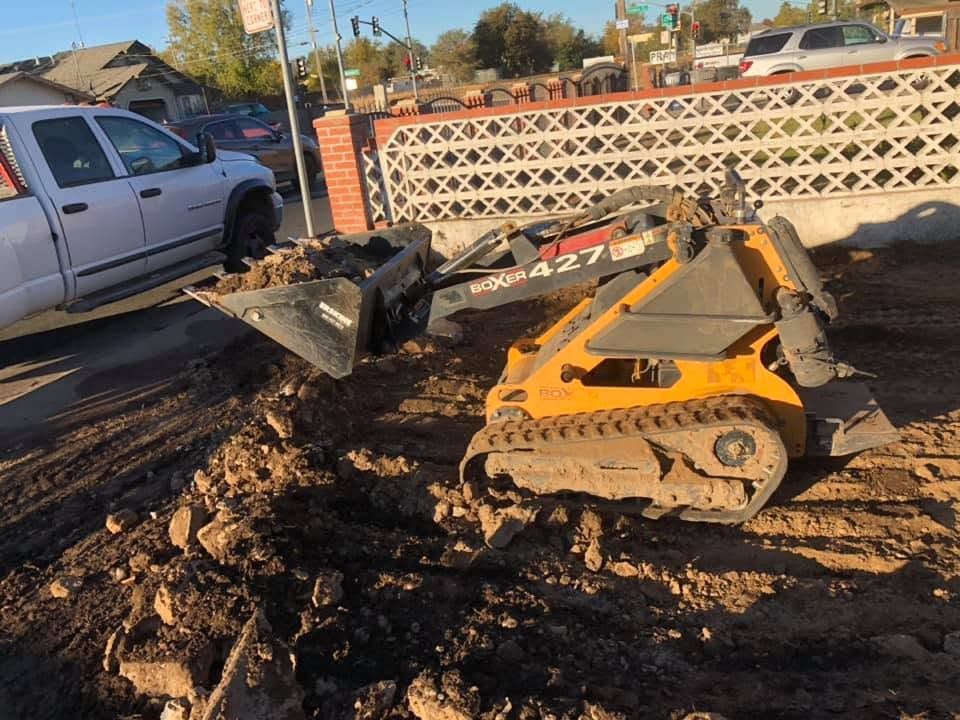
Excavation work across Sacramento Valley parcels involves digging through multiple soil layers that change consistency with depth and season. The top layer of topsoil typically excavates easily, but hardpan clay underneath resists bucket penetration and requires specialized teeth or ripper attachments to break through without stalling equipment or damaging hydraulics. Operators who assess soil conditions before starting know which bucket configuration to use and how deep the hardpan layer extends, so they can plan the dig sequence and avoid switching equipment mid-project when progress stops.
Once excavation is complete, you'll see trenches or foundation footings dug to the specified depth with clean walls and floors that meet grade requirements for concrete pours or utility installation. Soil removed during digging is stockpiled on-site for backfill or hauled away depending on your project needs, and the excavation is left ready for the next phase of construction without loose material or collapsed walls that require rework. Properly executed excavation eliminates the callbacks and schedule delays that occur when digging crews underestimate Sacramento Valley soil conditions.
The work includes coordinating with utility locators before any digging begins to mark underground lines and prevent strikes that shut down projects and create expensive repair situations. Sacramento Valley parcels often have irrigation lines, septic systems, and electrical service running underground in locations that aren't obvious from surface observation, and hitting those lines during excavation causes delays that push timelines back by days or weeks.
Questions Before Starting Your Digging Project
Contractors and property owners planning foundation work or
utility installation across Sacramento Valley parcels often ask about soil conditions and how equipment selection affects project timelines.
What is hardpan and why does it matter for excavation in Elverta?
Hardpan is a dense clay layer that forms below the topsoil in Sacramento Valley soils, and it resists digging equipment like concrete until the right bucket teeth and hydraulic pressure are applied. Excavators using standard buckets stall out when they hit hardpan, requiring equipment changes that delay the project and add costs—assessing soil conditions before starting prevents this problem.
How does seasonal moisture affect excavation timelines in Sacramento County?
Winter and early spring moisture softens clay soil and makes it heavy and sticky, which slows digging progress and can cause trenches to collapse if not properly shored. Dry summer conditions harden clay into a rock-like consistency that resists bucket penetration. The ideal excavation window depends on your project depth and soil composition, and scheduling during transitional seasons often provides the best balance between workability and stability.
What happens if unmarked utility lines are encountered during excavation?
Work stops immediately and the utility provider is contacted to assess damage and make repairs. Hitting underground lines creates safety hazards, project delays, and potential fines from utility companies or county inspectors. Proper utility locating before digging prevents these situations, but older parcels sometimes have abandoned or unmapped lines that don't show up on locate tickets.
How much does soil type affect excavation costs for foundation work in Rancho Cordova?
Hardpan excavation requires more time and specialized equipment compared to digging through loose or sandy soils, which increases labor and equipment costs. The soil assessment provides a clear picture of what lies below grade so cost estimates reflect actual site conditions rather than assumptions that may prove incorrect once digging starts.
Can excavated soil be reused for backfill or does it need to be hauled away?
Clay-heavy soil can be reused for backfill around foundations or utility trenches if it's free of debris and large clumps, but it needs to be placed in thin layers and compacted properly to prevent settling. Excess soil or material contaminated with roots and debris is hauled to disposal facilities, and that haul cost depends on volume and distance to the nearest approved site.
Peyton Land Management brings technical capability and Sacramento Valley soil knowledge to every excavation project across Elverta, Folsom, Roseville, and surrounding areas. Call (916) 502-7534 to review your site's soil conditions and match equipment to your specific foundation, drainage, or utility
trenching requirements.