Removal That Finishes the Fire Safety Job
Brush Removal in Elverta for parcels with post-mow piles that create fire ignition risk
Post-mow brush piles left on dry Sacramento-area parcels become fire ignition points during wildfire season, particularly when mowing crews finish the cutting but leave the material stacked near property lines or structures. Complete removal eliminates the fuel load that defensible space mowing was meant to address in the first place. Peyton Land Management handles brush removal using on-site chipping or haul-off based on parcel size, mulch reuse value, and client property goals rather than applying the same method to every job regardless of site conditions.
Brush removal begins with evaluating whether on-site chipping makes sense for your property—larger parcels with landscaping areas can reuse the mulch, while smaller residential lots with limited storage and no mulch demand benefit from full haul-off that clears the material entirely. The removal method gets matched to your site rather than decided by equipment convenience.
Request a site evaluation to identify brush pile locations and confirm the removal method that works for your property layout.
How Removal Method Selection Works
On-site chipping processes brush piles into mulch that can be spread across landscaping beds or erosion-prone slopes, which works well for rural parcels where mulch adds ground cover and reduces dust. Haul-off removes the material completely and disposes of it off-site, which suits properties near structures where mulch piles create their own fire risk or attract pests, and where clients have no use for the volume of material a full brush removal job generates.
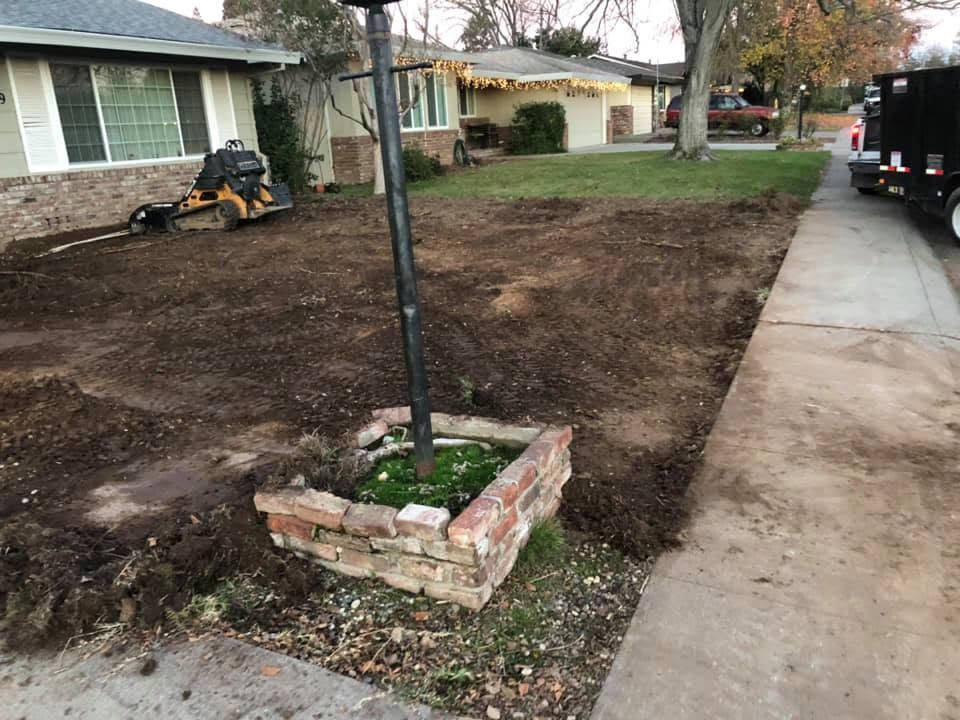
After removal completes, you'll notice cleared sightlines across the parcel, elimination of the brush piles that were flagged during CAL FIRE inspections or HOA walkthroughs, and reduction in the dry fuel load that posed ignition risk during red flag wind events. Properties that were previously cited for incomplete defensible space work now meet the full clearance standard because the mowed material no longer sits in piles waiting to burn.
Volume minimums may apply depending on crew deployment logistics and service area distance, and some jobs combine removal with additional mowing if new growth has occurred since the original cut. Seasonal demand peaks before fire season, so availability tightens in late spring and early summer across the Greater Sacramento area.
Answers to Frequent Service Questions
Property owners across the Sacramento Valley foothills typically want to know what happens to the material and how long the work takes.
What's the difference between on-site chipping and haul-off?
On-site chipping turns brush piles into mulch that remains on your property for reuse in landscaping, while haul-off removes all material from the site and disposes of it off-property, leaving nothing behind except cleared ground.
How long does brush removal take on a typical rural parcel?
Removal duration depends on brush pile volume, site access for equipment, and whether chipping or haul-off is used, but most single-family rural parcels in Elverta complete in one day once the crew arrives and begins work.
Why do some companies leave brush piles after mowing?
Many mowing crews focus only on cutting vegetation to meet defensible space height requirements and consider removal a separate service, which means clients end up with compliant vegetation height but non-compliant piles of dead fuel sitting on the property.
When should I schedule brush removal after mowing?
Removal should happen as soon as possible after mowing finishes, ideally within the same week, to prevent dried brush piles from becoming the exact fire hazard that mowing was supposed to eliminate in the first place.
Do junk removal services handle brush piles?
Standard junk haulers typically lack the chipping equipment and fire safety knowledge needed to process large-volume vegetation removal jobs, and their trucks aren't designed for loose bulk material like dried grasses and shrub cuttings common on rural Northern California parcels.
Peyton Land Management serves the Greater Sacramento area with site-specific removal processes and crew capacity scaled to rural parcel conditions. Call (916) 502-7534 to confirm service area coverage, current volume minimums, and seasonal availability for your brush removal project.